The Pool of CEOs is Bigger Than You Think
Version 0.95
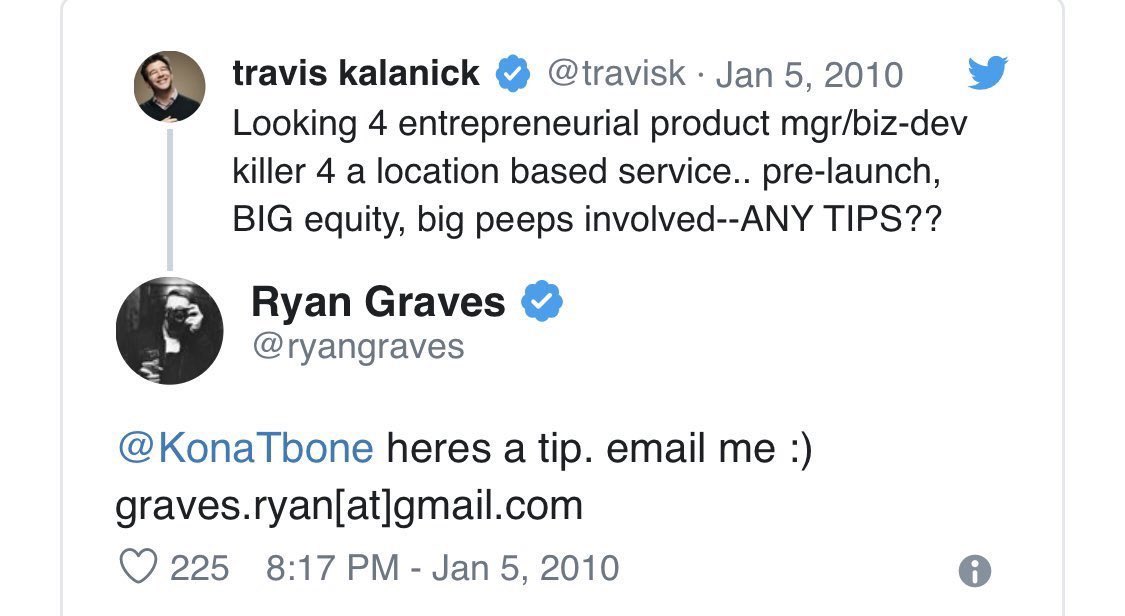
This evening, Travis Kalanik put out a call for tips to find the right “re-founding” CEO for a company he purchased called eXtremeGammon. People were quick to point out how this was just like January of 2010 when Kalanik solicited tips on a CEO for Uber, and Ryan Graves said he had a tip: himself. Graves went on to be Uber’s early CEO growing the company before voluntarily stepping aside and Kalanik taking the helm.

Recently there has been talk of Tim Cook tapping a longtime Apple hardware exec as a successor. Cook himself was COO when Steve Jobs bestowed the honor of leading the company. Most of the big tech companies have had successors who have come from inside the company. This makes sense because you want someone who rubs shoulders with the existing CEO and has a good understanding of the culture. Outsiders are risky as we’ve seen when Steve Jobs selected John Sculley from Pepsi to run Apple back in the 80s.
But, as I’ve said on this blog before, the job of the CEO isn’t just to grow revenue. Cash flow is an extremely important job, of course. I’d argue that more important is vision.1 Few people have it, and certainly if your job is running hardware engineering or managing manufacturing operations, one wonders why suddenly vision is in your cards.
I’ll suggest something wild. If you are looking for a successor to a strong company, do hire internally; however, hire people based not only on merit but potential for vision. Hire them pretty much exclusively for the purpose of succession two or three years down the line when the current CEO is planning to retire or exit. There exists a whole world of people, and to believe that the right successor is in a small pool already in the company is myopic. Those with vision may be like the Swiss patent clerk or young prodigy in India just waiting to be discovered.
-
Obviously in the context of a cash cow business. If you have no revenue vision could be delusion. ↩︎